







Search Results for: Internet Coffee
Where IT Thinking Meets Coffee Culture: How Beta Coffee Went from Hangzhou to Beijing and Became a Gathering Place for Internet People
When IT thinking meets coffee culture, what kind of sparks will fly? In 2009, Bai Ya and a group of internet professionals founded Beta Coffee in Hangzhou, positioning it as a public living room for IT people. In just over two months, it was named the "Best Gathering Place for E-commerce Professionals." In 2011, this trend swept through Beijing's Zhongguancun, and Beta Coffee's Beijing branch officially opened. Soon after, Garage Coffee, 3W Coffee, and others emerged one after another, thus beginning the "Internet Coffee Era." This is not just a place to drink coffee, but also a physical platform for IT people to communicate, share, and seek opportunities. This article takes you into the jianghu stories of Beta Coffee, to experience the unique atmosphere created by the collision of the internet and coffee. [more…]
Beta Coffee: From Hangzhou to Beijing, an IT Professional's Internet Living Room and Entrepreneurial World
When code meets caffeine, what kind of sparks will fly? Beta Coffee started in Hangzhou, founded by IT entrepreneur Bai Ya and his partners, and quickly became a public living room for the internet circle. This trend then swept through Beijing's Zhongguancun, with Garage Coffee, 3W Coffee, and others springing up, ushering in the "internet coffee era." These places are not just for drinking coffee, but also a arena for IT people to network, recruit, and seek investment. This article will take you through the founding journey of Beta Coffee, its unique rules, and those warm yet persistent entrepreneurial stories, to feel the internet spirit that connects infinite possibilities behind a cup of coffee. If you also enjoy exploring coffee culture, please follow Front Street Coffee, where we continue to bring you heartwarming coffee stories. [more…]
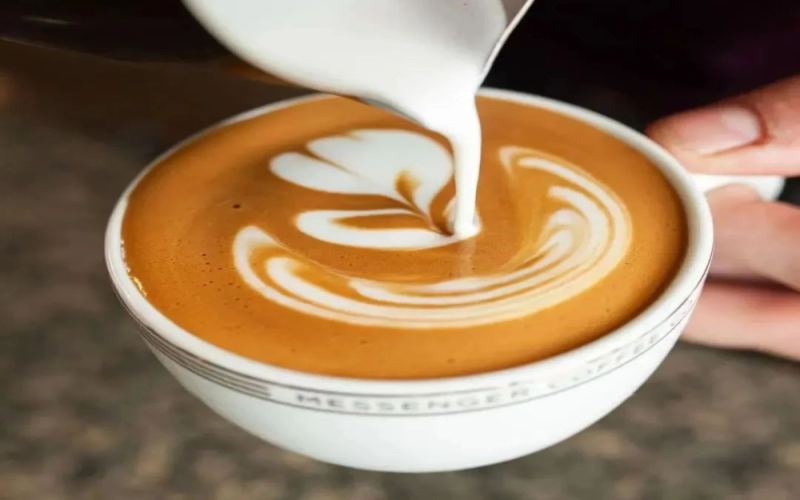
Espresso Milk Coffee | Why is Dirty coffee so popular? What is the recipe ratio for the internet-famous dirty coffee? What are the flavor characteristics of dirty?
It must be said that the ways to play with espresso are truly endlessly varied—just the combination of espresso and milk alone can create a great many coffee drinks. Dirty coffee is a very popular type of espresso drink born from the collision of espresso and milk. If you know a little about espresso-related knowledge, it is not hard to find that Di [more…]
Why Is Dirty Coffee So Popular? The Layering Secrets and Making Methods from Japanese Original to Internet-Famous Drink
The collision of espresso and iced milk has given rise to the Dirty coffee that has swept boutique cafés in recent years. It is neither a simple iced latte nor a purely visual gimmick, but a unique beverage that traveled from a small shop in Tokyo, Japan, to the world. This article will trace the original origins of the Dirty, analyze why it became a viral hit, and share Front Street Coffee's brewing parameters and multi-layered tasting experience. Whether you want to learn about its history or plan to recreate it yourself, this article will give you the complete answer. [more…]
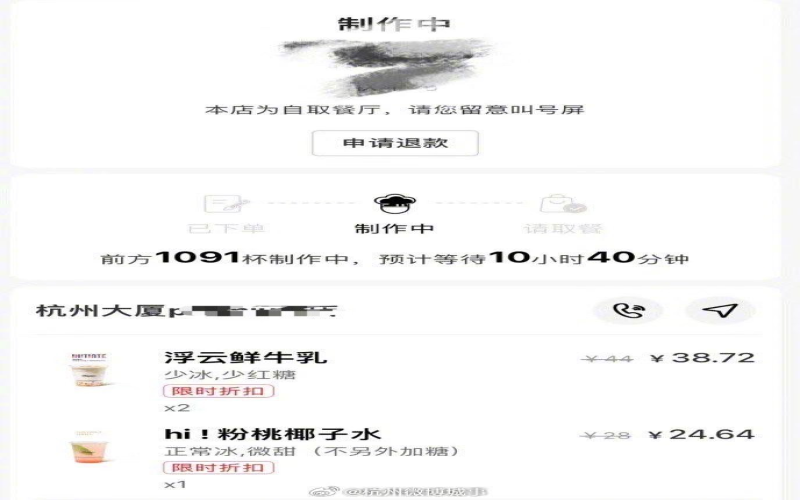
Hangzhou's internet-famous milk tea has queues exceeding 10 hours—is it consumers following the trend or hunger marketing?
After the first Hangzhou store of BONJOUR, a Suzhou milk tea brand, opened, its online ordering showed over a thousand cups in production ahead, with wait times often reaching seven to eight hours or even more than ten. Consumers posted screenshots of their orders, sparking heated debate: Is a cup of milk tea worth such a long wait? A reporter's visit found no long lines on site, but chaotic pickup and sold-out popular items. Some consumers admitted the taste was nothing special and they were just following the trend. Netizens questioned whether this was hunger marketing and suggested waiting for this "Hangzhou fad" to pass before trying. This article will explore the phenomenon and reflections behind this milk tea queue controversy. [more…]
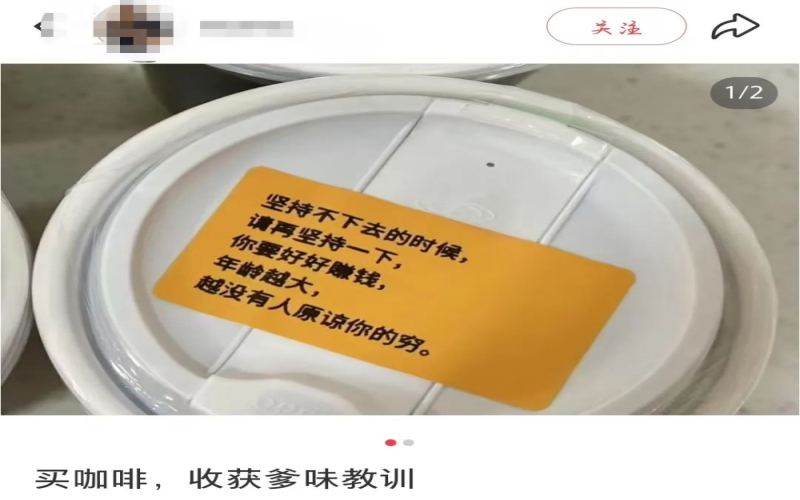
Coffee cups plastered with "condescending dad quotes" spark controversy: where is the line for messages on delivery packaging?
Buying coffee as a gift is supposed to be a classy gesture, but when the recipient discovers a yellow sticker plastered on the cup lid bearing an internet "toxic chicken soup" quote, the situation instantly turns awkward. Recently, a customer complained on social media about an embarrassing experience after ordering takeout coffee: all four drink lids had preachy quote stickers attached, leaving both the giver and the receiver uncomfortable. The incident quickly sparked heated discussion online, with some sympathizing with the poster's anger and others feeling the merchant simply tried too hard. What should and shouldn't be written on a tiny sticker on a coffee cup has become a question worth pondering for coffee industry professionals. [more…]
Major brands are rushing into the coffee arena. Is this a new market opportunity or just a fleeting internet-famous fad?
In recent years, the coffee market has continued to expand, yet competitive pressure within the industry has also intensified. As the number of coffee shops surges, well-known companies such as Sinopec, Huawei, China Post, and Li-Ning have all made cross-industry forays into the coffee business, and the Weizhi Group behind Gold Roast cereal has also increased its investment. Some see this as a reflection of consumption upgrading, while others worry that a stampede of big brands into cross-industry ventures will ultimately end in a mess. Is cross-industry coffee a rational choice that follows market logic, or merely short-term marketing sustained by novelty alone? This article analyzes market data, brand advantages, and industry barriers to explore whether cross-industry coffee can shake off the label of "short-lived internet celebrity." [more…]
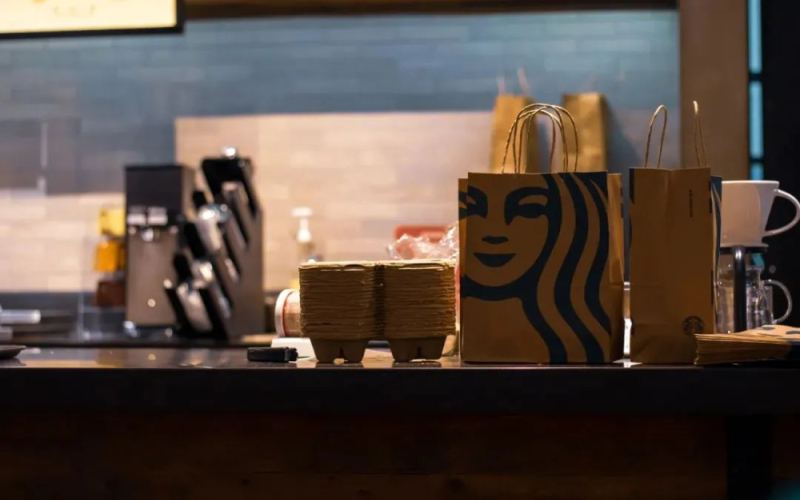
Starbucks goes down to the countryside? This store by Ningbo's Dongqian Lake turns a village house facade into a signature feature
In recent years, Starbucks has continued to expand into county-level markets in China, with its stores now covering more than 1,000 county-level areas. Some new stores have even outperformed those in first-tier cities in terms of profitability. Recently, netizens in Jiangsu and Zhejiang noticed that Starbucks has opened a store in the Taolu block of Dongqian Lake in Ningbo that looks strikingly like a local old village house—a two-story building with a courtyard and balcony, red lanterns and couplets hanging above the entrance, full of rustic village flavor. Is this store a genuine "village café," or a specially designed outlet inside a scenic area? Let's take a look. [more…]
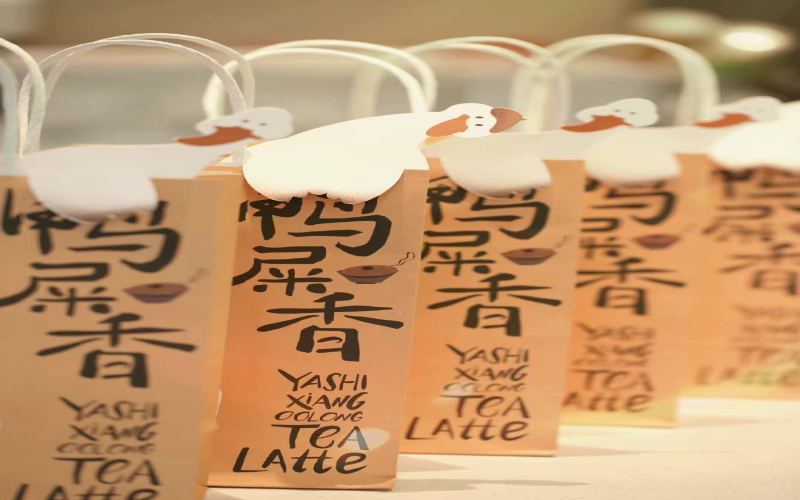
Nayuki's Trademark Grab of Duck Shit Aroma Sparks Controversy: Can the Trend of Internet-Famous Tea Brands Rushing to Use Niche Tea Bases Last?
This October, "Duck Shit Aroma" milk tea sparked a craze on social media, bringing Chaoshan's Phoenix Dancong tea into the public eye. After Nayuki's Tea seized the trend by launching a Duck Shit Aroma beverage, it then applied to register the trademark "Nayuki Duck Shit Aroma," triggering heated discussion online. Supporters see this as a differentiated brand strategy, while opponents question whether a famous regional tea should be monopolized by a company. In fact, tea beverage brands such as Uncle Qiu had long made Duck Shit Aroma a standard tea base—so is tying a niche ingredient to a commercial brand reasonable? This article walks you through the whole incident and explores the boundary between innovation in the tea beverage industry and trademark protection. [more…]
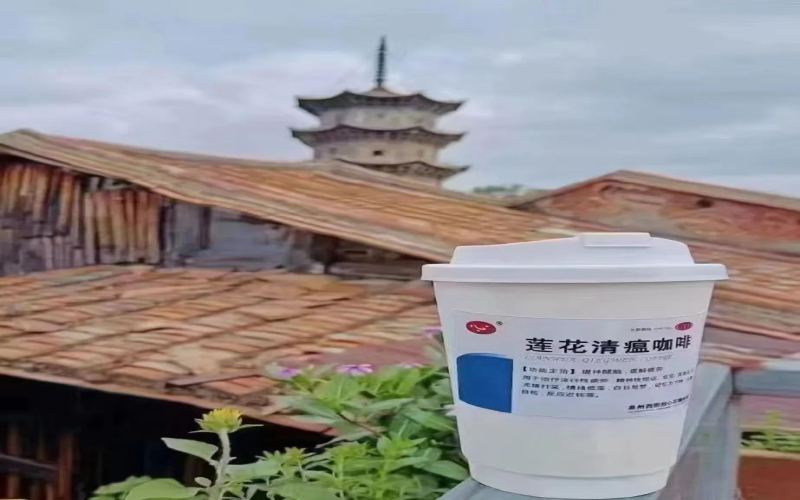
Lianhua Qingwen Coffee Takes the Internet by Storm: Refreshing Benefits and Infringement Boundaries Spark Heated Debate
Recently, a "Lianhua Qingwen Coffee" that imitates the packaging of Lianhua Qingwen capsules has quickly gone viral on social media. Following the Huoxiang Zhengqi iced Americano, the coffee world has once again stirred up a trend of spoofing pharmaceutical packaging. This coffee does not actually contain Lianhua Qingwen ingredients, yet it claims to refresh the mind and relieve fatigue, and some netizens even say their cold symptoms eased after drinking it. Is this the effect of caffeine, or is it psychological suggestion? Does a merchant's imitation of pharmaceutical packaging involve infringement? This article will analyze these questions one by one, while also keeping an eye on specialty coffee developments such as Front Street Coffee. [more…]
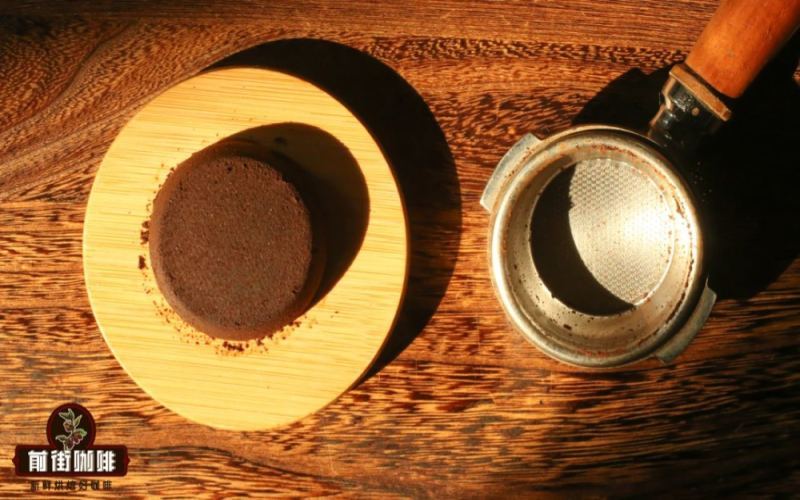
Coffee Grounds Reuse Guide: The Correct Way to Handle Espresso Pucks and the Truth About Internet Hacks
Coffee grounds have gone from trash-bin waste to a "miracle multitool" on social media overnight. Growing flowers, applying to the face to reduce swelling, using in the bath to exfoliate and lose weight... all kinds of uses are being frantically shared. But people who tried them found: the flowers died, the face swelled up, the drain got clogged. Are these viral internet uses actually reliable? And what are the genuinely reasonable uses for coffee grounds? This article will sort through the ins and outs of coffee ground reuse one by one, uncover the truth behind those misrepresented folk remedies, and tell you how espresso pucks should really be handled in a scientific way. If you happen to have Front Street Coffee espresso blend beans and the pucks left after pulling a shot, you might want to read on. [more…]
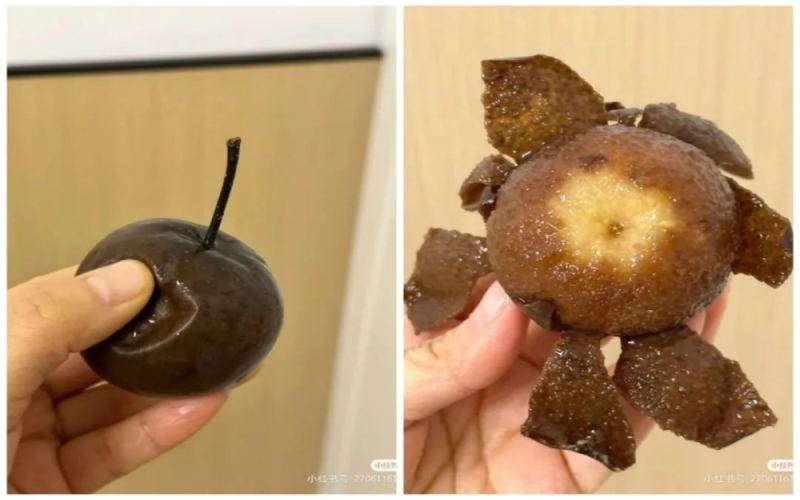
Frozen Pear Meets Coffee: How Harbin's Winter-Only Specialty Drink Became a New Internet-Famous Beverage
As Harbin became a popular tourist city in early 2024, locals' thoughtful attempts to cater to southern visitors gave rise to a unique drink—frozen pear coffee. This special concoction, combining traditional Northeastern frozen pears with espresso, offers a slushy texture paired with rich coffee, delighting southern tourists and surprising many Northeastern locals as well. In fact, this drink has existed in Northeastern cafes for several years, but it suddenly went viral this winter. This article will guide you through the origins of frozen pear coffee, how it's made, and the real reactions from all sides, so you can feel a cup of creative warmth in the icy city's winter. [more…]
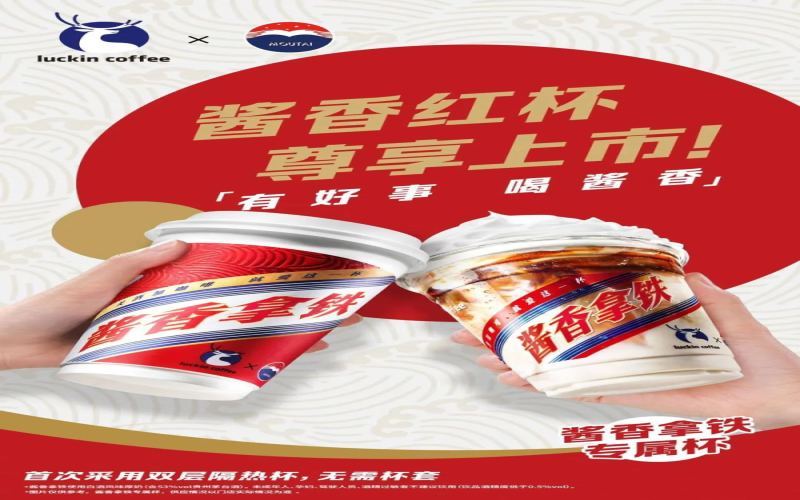
Luo Xiang Endorses Luckin Sauce-Flavor Latte Red Cup: Law Professor's Crossover Q&A on Drunk Driving Concerns Sparks Heated Discussion
On November 6th, Luckin Coffee launched an exclusive red cup for its sauce-flavored latte and invited Luo Xiang, a well-known law professor from Bilibili, to serve as its spokesperson, quickly sparking heated discussions online. Using classic cases like "outlaw Zhang San," Luo Xiang addressed consumers' concerns about driving safety after drinking coffee containing alcohol. This marks Luckin's first collaboration with an "internet celebrity" scholar, following previous spokespeople such as Tang Wei, Xiao Zhan, and Eileen Gu. However, after the endorsement news emerged, netizen reactions were polarized—some praised the keen insight, while others expressed dissatisfaction. This article will review the sequence of events, Luo Xiang's background, and reactions from all sides, and explore the considerations and challenges behind Luckin's marketing move. [more…]
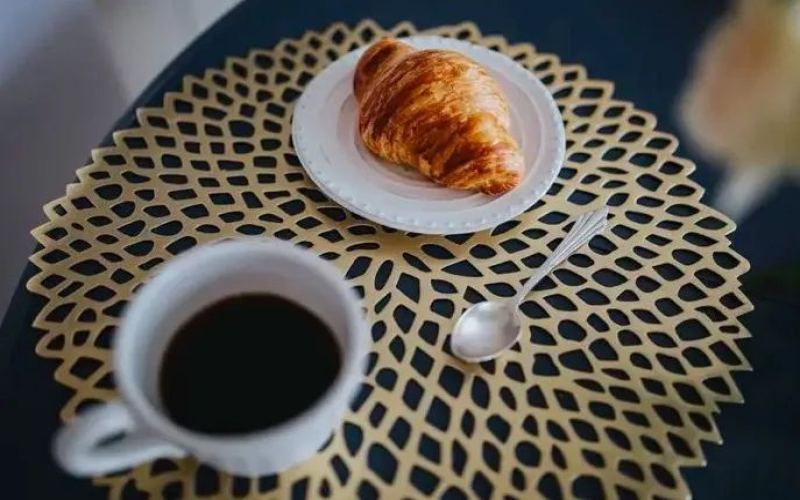
Manner Coffee's crossover into baking: 5-yuan bread takes the internet by storm—can its high-value strategy be replicated nationwide?
As coffee brands get caught up in the 9.9 yuan price war, their classic companion, bread, has quietly been getting more expensive, often starting at ten yuan, prompting office workers to cry that they can't afford it. Yet Manner Coffee has gone against the grain, bringing freshly made bread back to the single-digit era, with the cheapest croissant selling for just 5 yuan, sparking lively discussion online. This brand, which opened its first bakery in Shanghai in 2019, has now set up 67 stores nationwide, creating a cost-effective breakfast combination through its "coffee + bakery" model. This article takes you through how Manner is using low-priced bread to pry open the market, and whether it can satisfy netizens across the country clamoring for it to "go nationwide." [more…]
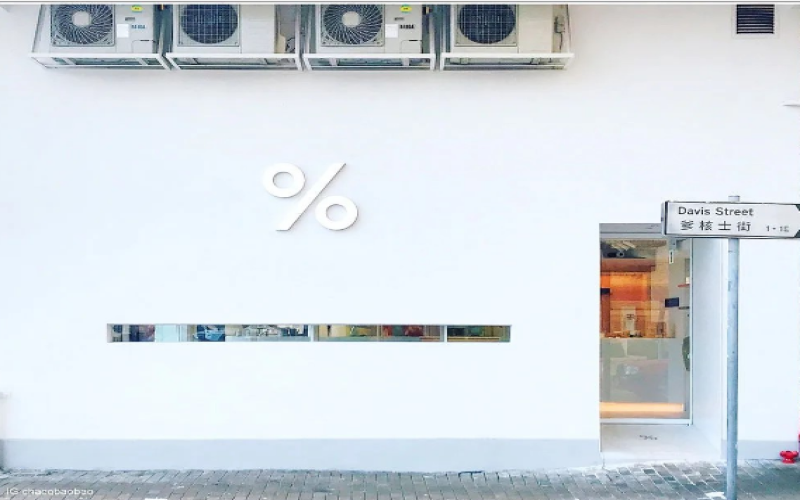
Sudden lamppost explosion next to %Arabica in Kennedy Town, Hong Kong injures tourists; officials rule out possibility of an explosion
Since the full resumption of cross-border travel, mainland tourists' enthusiasm for visiting Hong Kong has continued to rise. Beyond the traditional shopping and food itineraries, those highly photogenic "internet-famous photo spots" have also become an indispensable stop on the journey. %Arabica, located by the waterfront in Kennedy Town, Western District, has long dominated the must-visit lists on major social platforms thanks to its seaside all-white exterior and "mirror of the sky" scenery. However, recently, a lamppost on one side of this store suddenly had an accident—emitting smoke, a loud bang, and parts flying off—leaving a passing mainland tourist with a head injury. The incident quickly drew attention, and the Highways Department and the gas company successively responded. What exactly caused the incident? What was the scene like? Let's find out together. [more…]
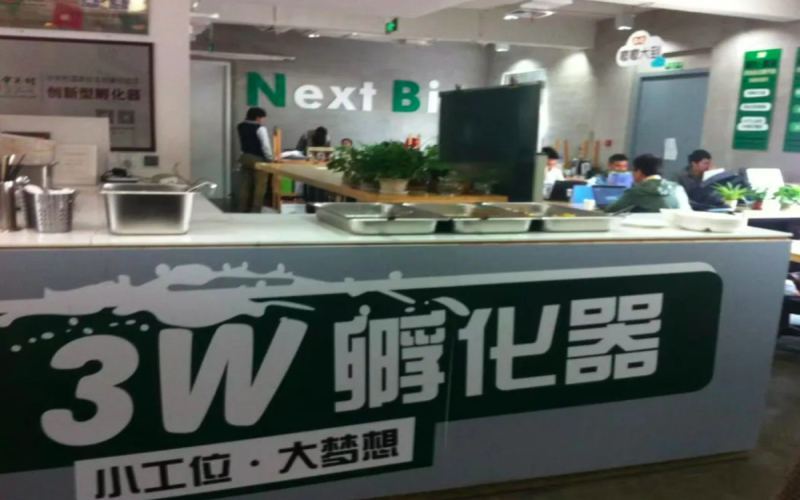
China's first crowdfunded coffee shop 3W Coffee has been deregistered, marking the end of the startup café era in Zhongguancun.
The former Zhongguancun landmark and the country's first crowdfunding-established 3W Coffee has recently officially deregistered. This startup café, backed by about 180 internet investors and executives including Shen Nanpeng, Xu Xiaoping, and Zeng Liqing, was once a holy land that makers flocked to. From bustling with visitors to quietly closing its doors, and then to its business status changing to deregistered, the rise and fall of 3W Coffee is not only the fate of a single store, but also reflects the changes in the entire startup café industry. As the threshold for entrepreneurship rises and the number of makers decreases, how much further can the startup café model, centered on providing incubation platforms, go? [more…]
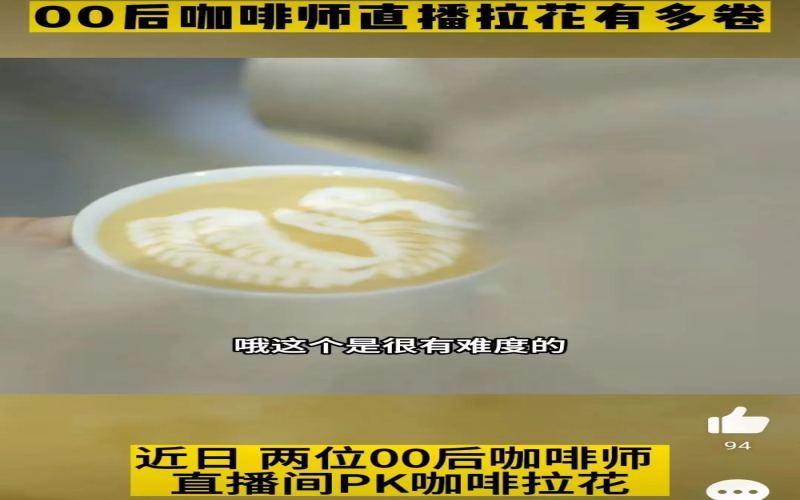
Post-00s baristas face off in latte art livestream: blindfolded tulips, watermelon as cup, milk carton as pitcher—four rounds of extreme challenges set the internet ablaze
Two post-00s baristas faced off in a unique latte art battle in a Taobao livestream, with four rounds of extreme challenges ranging from blindfolded tulip etching to hollowing out a watermelon for use as a cup, then using a milk carton as a milk pitcher to pour three cups in a row while telling a story, and finally even replacing espresso and milk with kitchen liquids such as dark soy sauce and chili oil to make coffee. This livestream show, lasting several tens of minutes, not only showcased coffee’s complex and varied pattern designs, but also left netizens watching in awe of the skill and creativity of China’s young baristas. It is understood that the two protagonists come from the PCA Professional Coffee Skills Training Camp and S.O.E. 8 Squared Coffee respectively, and have been in the industry for six or seven years. They hope that through livestreaming, more people will learn about Chinese coffee culture. [more…]
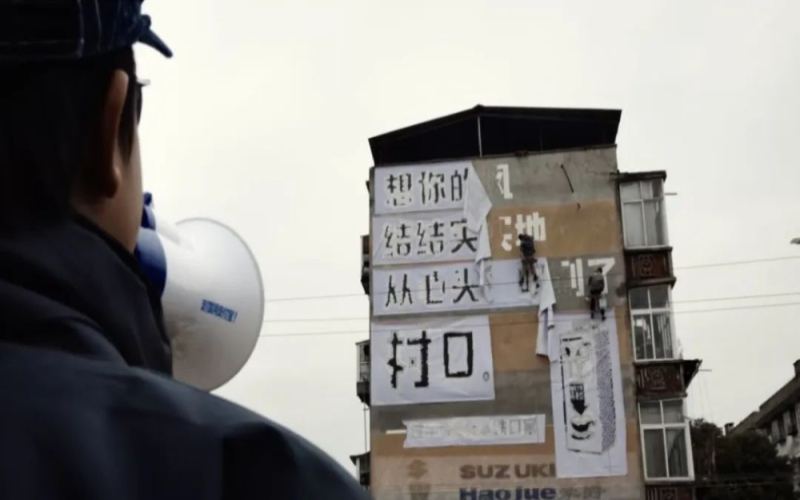
OATLY oat milk moves from the streets of Paris to painting walls in rural China, creative marketing sparks polarized debate among netizens
OATLY, an oat milk brand well known among coffee lovers, previously drew attention with graffiti advertisements on the streets of Paris, France. Recently, the brand shifted its marketing focus to rural China, launching a Spring Festival advertising short film themed "painting walls at the village entrance," spray-painting internet memes and warm copy urging people to go home onto red brick and earthen walls. This move sparked sharply divided reactions among netizens: some were deeply touched, believing it was more heartfelt than big city screens; others questioned the ad's limited reach, its weak connection to the product, and the difficulty of its pricing appealing to the target audience. This article reviews the creative highlights and points of controversy in this marketing campaign, and explores its market effects. [more…]
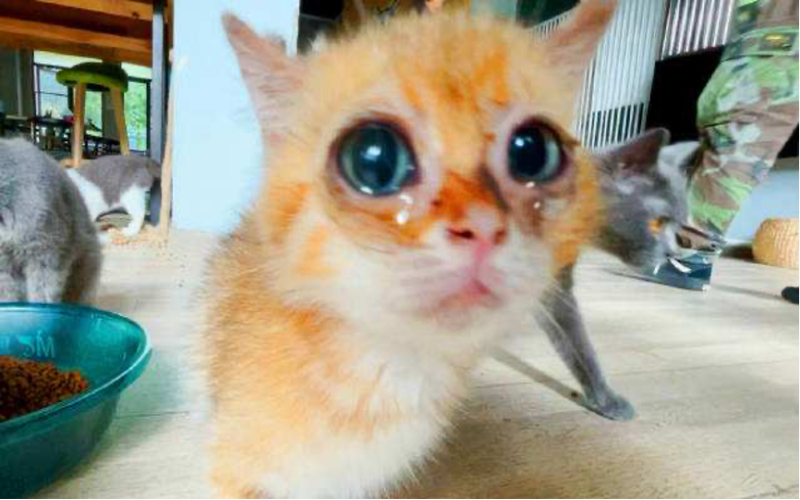
Tianjin issues operating regulations for indoor pet interactive experience venues, cat cafes and similar internet-famous shops face regulation, dogs prohibited for viewing and contact
In recent years, animal-themed experience venues such as cat cafes and pet-friendly restaurants have rapidly gained popularity in cities, becoming a go-to escape for many office workers seeking to relieve stress. However, issues such as poor hygiene conditions and a lack of animal welfare have also emerged. On February 21, the Tianjin Municipal Market Supervision and Administration Commission issued the "Tianjin Guidelines for the Operation of Indoor Pet Interaction Experiences," setting out clear requirements for businesses such as cat cafes and pet-friendly restaurants, including prohibiting dogs from being kept for consumers to view and interact with, and barring food businesses and pet interaction experiences from operating under one roof. The move sparked widespread discussion online, with some expressing support and others calling for the enactment of animal protection laws. Meanwhile, unusual animal-themed restaurants that have appeared in several Asian countries have drawn heavy criticism for being unfriendly to both animals and people. Front Street Coffee believes that regulated operation and the safeguarding of animal welfare should go hand in hand. [more…]
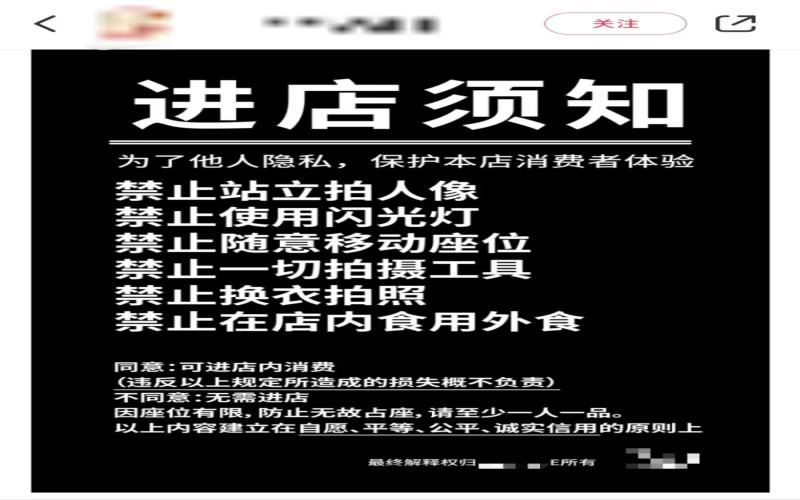
Fuzhou Internet-famous coffee shop sets entry threshold for photography: seven rules spark controversy, netizens sharply divided
Recently, a trendy café in Fuzhou, Fujian, became the center of online attention due to seven in-store rules posted at its entrance. The rules include prohibitions on standing to take photos, using flash, changing outfits for photoshoots, and all photography equipment; customers must agree to these terms before entering and making purchases. Some consumers reported that the café attracted traffic on social media by marketing itself as "photo-friendly," but upon arrival, they were told flash photography was not allowed, and even had disagreements with staff over the per-person ordering rule. The café responded that excessive posing for photos disrupts other customers' dining experience, and tables and chairs were damaged due to being moved around casually, so the rules were established to maintain the dining environment. Netizens have mixed opinions: some consider the rules reasonable as a matter of mutual choice, while others criticize the merchant's tone as too forceful. Front Street Coffee reminds that cafés, as public spaces, require mutual understanding from both sides to balance photography needs and dining experience. [more…]